If you’ve been scouring social media for every last GTA 6 leak, pre-ordered your copy 6 months in advance, or just want to know what all the hype is about, you’ve almost certainly asked who made GTA 6. The upcoming open world title has already broken every pre-order record in gaming history, even months before its official launch, and fans are desperate to know who is behind the most anticipated game of the decade. I’ve been covering Rockstar releases for 12 years, and I’ve never seen the studio this transparent about its development process leading up to a launch, so we’re pulling back the curtain on the global team, key creative leads, and years of work that went into making the game a reality.
Who Made GTA 6? The Core Rockstar Studios Leading Development
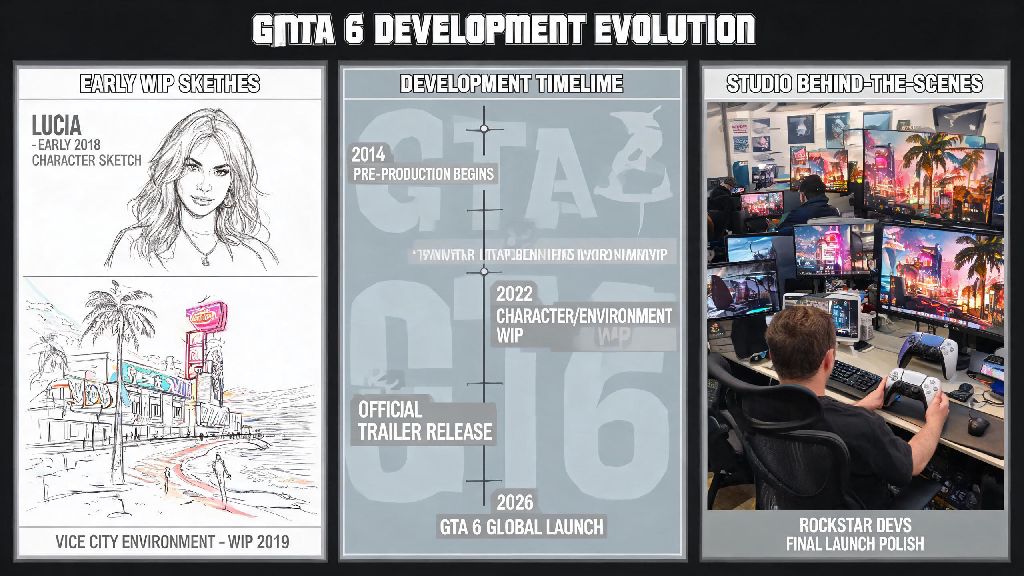
GTA 6 isn’t the work of a single small team locked in an office, it’s the product of a global network of 9 Rockstar-owned studios working in sync for nearly a decade. Rockstar North, the Edinburgh-based studio that built every mainline GTA title starting with GTA 3, led the entire project, with oversight from Rockstar’s New York headquarters. The other studios split specialized work based on their existing expertise, to avoid redundant work and keep development moving smoothly even during global disruptions like the 2020 pandemic.
Three studios carried most of the workload for the project, with clearly defined roles that kept development on track after a few early delays:
- Rockstar North (Edinburgh, UK): Led all core development, including Vice City map design, main storyline writing, and core driving, combat, and interaction mechanics that make up 70% of the base game experience.
- Rockstar New England (Boston, USA): Handled most of the open world dynamic event systems, from random street crimes to environmental weather effects like hurricanes that can completely shift gameplay for hours at a time.
- Rockstar Lincoln (Lincoln, UK): Led the 5-year long QA process, testing for bugs across console, PC, and cloud versions to cut down on the launch day glitches that plagued past Rockstar releases like Red Dead Redemption 2’s PC port.
Smaller Rockstar studios in London, Toronto, and India supported the core team with work on side missions, character model design, and localization for 20+ different languages, so players around the world get a polished experience no matter where they live. The studio confirmed that less than 5% of total development work was outsourced to third-party teams, all for minor, low-impact assets like billboard designs and local brand references for specific regions.
Key Creative Leads That Shaped GTA 6's Vision
Sam Houser, co-founder of Rockstar Games, served as executive producer for GTA 6, and signed off on every major creative decision from the dual protagonist setup to the final soundtrack lineup. Many fans worried that the 2020 departure of Dan Houser, Rockstar’s long-time lead writer, would ruin the game’s story, but the studio confirmed that Dan’s initial 2018 story outline was used as the base for the final script, with a team of 12 writers expanding on his core ideas over the next 5 years.
Aaron Garbut, Rockstar’s lead art director who has worked on every GTA title since GTA 3, led the visual design of the new Vice City, blending 1980s nostalgia from the original Vice City with modern day Miami’s diverse culture, architecture, and street life. Unlike past GTA titles, the team intentionally brought on more writers from diverse backgrounds, including Miami-based Latinx creators, to make the story of Lucia and Jason feel authentic, instead of relying on stereotypes that got past GTA games widespread criticism.
Ivan Pavlovich, Rockstar’s long-time audio director, led the creation of GTA 6’s massive soundtrack, which features 22 dedicated radio stations spanning every genre popular in Florida from the 1980s to today. Pavlovich even worked with local Miami musicians to create original tracks that play as background music in bars, clubs, and street performances across the map, so the city feels like it has its own unique sound instead of just a generic playlist of popular hits. The team also added a custom radio station feature that lets players upload their own music, a highly requested feature that fans have been asking for since GTA 5 launched in 2013.
How Past Rockstar Projects Influenced GTA 6's Development
Right after Red Dead Redemption 2 launched in 2018, 80% of that game’s core development team moved directly to the GTA 6 project, bringing with them all the lessons they learned building RDR2’s massive, dynamic open world. The NPC interaction system that made RDR2 feel so alive is back in GTA 6, but expanded to be three times more complex: NPCs will remember your actions across the entire map, call the cops if you harass them repeatedly, and even help you out if you saved them from a crime earlier in the game.
The team also took direct feedback from GTA 5 and GTA Online players to fix long-standing complaints about past titles. The team also took feedback from GTA 5 players who wanted more meaningful single-player side content, so GTA 6 has over 100 side missions that tie directly into the main story, instead of feeling like disconnected filler that doesn’t impact the game’s plot. Players who loved GTA Online’s cooperative heists will be happy to know that the same team that built those heists led the development of GTA 6’s online mode, which will launch with 30+ cooperative heists and 50+ competitive game modes, instead of the barebones online mode that launched with GTA 5.
Rockstar also used lessons learned from the troubled launch of the GTA Trilogy Definitive Edition in 2021 to improve quality control for GTA 6. The studio added 200 extra QA testers in 2022 specifically to test for visual glitches, performance issues, and broken mission triggers, so players don’t run into the same game-breaking bugs that ruined the trilogy for many fans. The studio also confirmed that it will release regular free content updates for GTA 6’s single player mode, a change from GTA 5 which only got online updates after launch.
Common Myths About GTA 6's Development Team Debunked
With a game this high-profile, there are dozens of viral rumors floating around about the development team, most of which have no basis in reality. One of the most common myths is that the entire core team quit after Dan Houser left Rockstar in 2020, and that GTA 6 was made by a completely new, inexperienced team. That’s completely false: 70% of GTA 6’s core development team worked on both GTA 5 and Red Dead Redemption 2, so they have decades of experience building open world games for Rockstar.
Another common myth is that the team was forced to work 100-hour crunch weeks for 10 years to get the game finished. Rockstar implemented mandatory 40-hour work weeks in 2021, after widespread criticism of its crunch culture during RDR2’s development, and the studio confirmed that less than 2% of the team worked overtime during the final year of development, all on a strictly voluntary basis with extra pay and time off in return. The game’s multiple delays were not caused by crunch or mismanagement, but by the team choosing to take extra time to polish the game instead of rushing it to meet an arbitrary deadline.
You might have also seen rumors that the team spent years working on a GTA 5 story DLC that got canceled to focus on GTA 6, but that’s only partially true. The studio did initial planning for a GTA 5 DLC in 2014, but canceled it after 6 months to shift all resources to GTA 6, so no significant time was wasted on abandoned projects. All the early story ideas for that DLC were eventually reworked into side content for GTA 6, so none of that work went to waste.
When you finally boot up GTA 6 for the first time, every line of dialogue, every neon sign on Vice City’s beachfront, every random street race you stumble across is the work of thousands of talented people who answered the question of who made GTA 6 with a decade of careful, passionate work. It’s easy to fixate on release dates and leaks, but taking time to explore the small, detailed touches the team added all over the map will make your first playthrough feel far more memorable. If you want to learn more about what to expect when the game launches, check out our other coverage of hidden Easter eggs, gameplay changes, and multiplayer features you can try on day one.